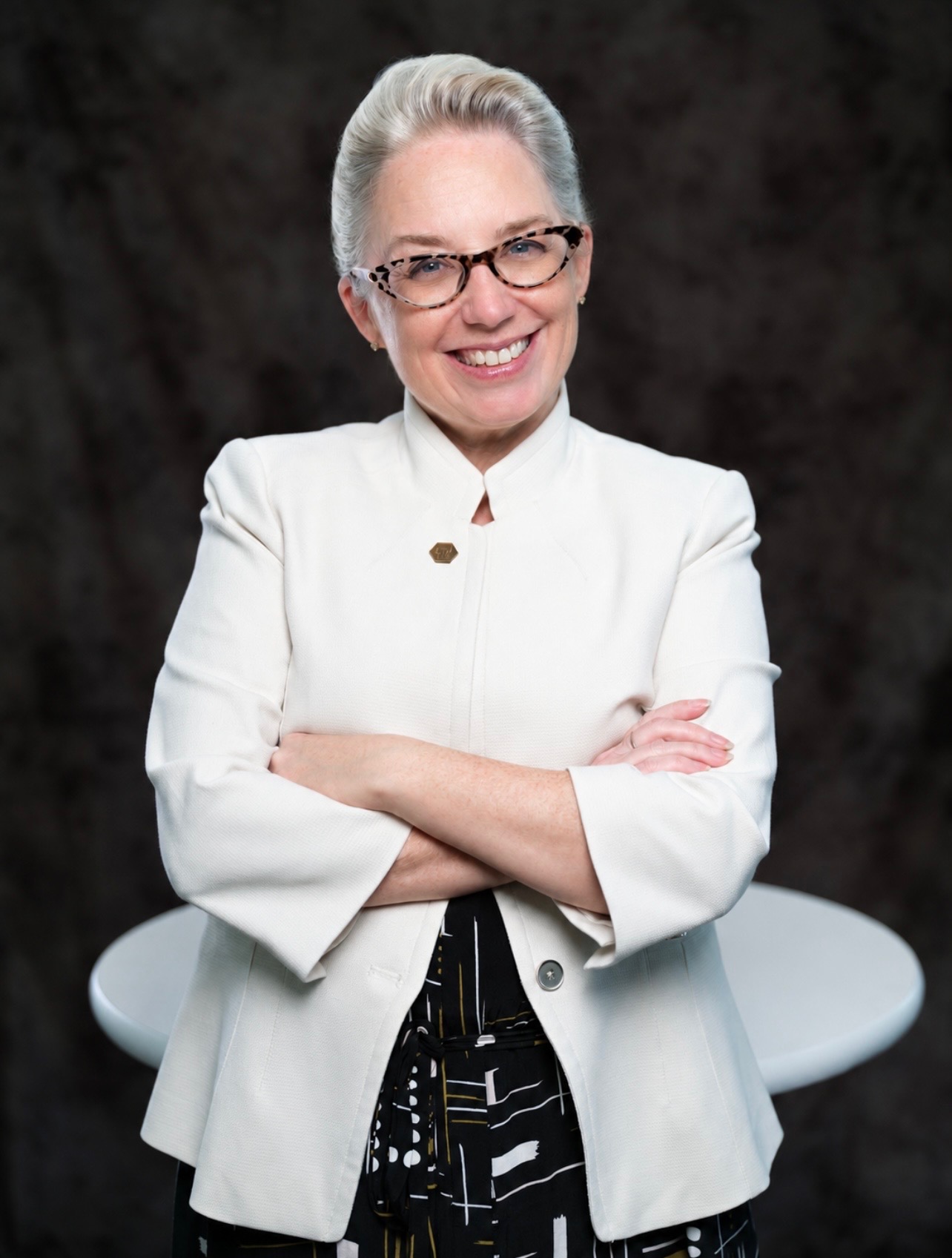
Event Headshots
A headshot lounge is one of the easier things on a floor plan to get sponsored, because it is one of the few activations where the sponsor's money visibly becomes something the attendee wants. A logo on a lanyard is tolerated. A logo on a photograph someone puts on LinkedIn is carried.
Our lounge at the BIO International Convention was underwritten by Fujifilm — which, for an imaging company, is about as clean a fit as sponsorship gets. But the structure works for sponsors with no connection to photography at all, and this is how to build and sell it.
Be precise about this in the prospectus, because "brand visibility" is what every other tier already says.
The last one is soft, and it is genuinely the strongest. Sponsors are usually starved of ways to be liked rather than noticed.
Full-day activation rates in the market run roughly $2,500 to $7,500, depending on show length, volume, branding, and whether the crew travels. That usually lands the lounge inside a mid-tier sponsorship rather than requiring a headline sponsor — which is precisely why it sells. You are asking a company that already committed to a tier to move up one step for something concrete, rather than asking for net-new budget.
Two structures work:
Exclusivity is the lever. One sponsor on the print is worth far more to that sponsor than three, and three logos on a 4×6 makes a photograph nobody wants.
Sponsorship decisions get made by people reading a PDF quickly. Give them the numbers.
The mock-up does most of the work. A sponsor who can see their logo on a real headshot understands the offer instantly, and a sponsor reading a bullet point about "premium branding opportunities" does not.
Four failure modes, all avoidable.
The survey gate. A sponsor asks to put a ten-question survey between the guest and their own photograph. Participation drops, the answers get worse because people type nonsense to escape, and the queue backs up. Push back with the throughput maths: every extra thirty seconds per guest is roughly fifteen fewer headshots per station per hour, which is fifteen fewer leads. The sponsor's own interest argues for the short form.
Logo files arriving late. You need high-resolution transparent PNGs from both the event and the sponsor, and they need to be tested against the actual printer before the show. Colour on a monitor is not colour on photographic paper. Make this a dated deliverable in the agreement, not a favour.
Overbranding the print. The photograph is the thing of value. A mark in a corner or a clean footer band survives; a frame that turns the portrait into an advertisement gets thrown away, and the sponsor loses the exact afterlife they paid for.
Ambiguity about the list. Who owns the leads — the sponsor, the event, or both — should be settled in writing before the first guest opts in, because the opt-in language has to tell the attendee the truth about it.
If you need to put it to a sponsor in an email:
We're running a professional headshot lounge on the floor. Every attendee who uses it opts in by name, gets a branded print in hand and a digital file on their phone, and your mark is on both. A single station handles 150–250 people a show day. You get the list, the conversations while they wait, and your logo on the photo they put on LinkedIn that night.
That is the whole offer, and it does not need adjectives.
For throughput, cost, and whether a lounge fits your event at all, see our complete guide to the headshot lounge. For the physical requirements before you commit a floor plan, see the booth requirements checklist. If you want help building the package, get in touch — we've been the crew on the other side of one of these.
A shoot, a campaign, or a headshot booth that draws a crowd — start the conversation.
Get in touch